Cyril Ramaphosa's Re-election: A New Era for South Africa
25 October 2024
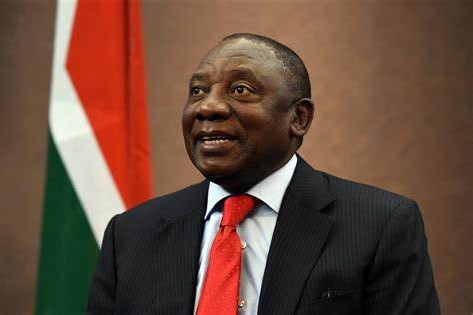
South Africa is abuzz with the news of President Cyril Ramaphosa's re-election, marking a significant moment in the nation's political landscape. This development comes after a dramatic coalition deal that has reshaped the country's governance.
A Historic Coalition
In a surprising turn of events, the African National Congress (ANC), led by Ramaphosa, formed a coalition with the Democratic Alliance (DA) and other smaller parties¹. This coalition was crucial for Ramaphosa's re-election, as the ANC lost its parliamentary majority for the first time in 30 years. The coalition, often referred to as a government of national unity, signifies a new chapter in South African politics, where former adversaries have come together to steer the country forward.
The Road to Re-election
The re-election process was not without its challenges. Ramaphosa faced a formidable opponent in Julius Malema of the Economic Freedom Fighters (EFF). However, with the support of the DA and other coalition partners, Ramaphosa secured a convincing victory in Parliament. This victory underscores the importance of collaboration and compromise in a diverse political landscape.
Implications for South Africa
Ramaphosa's re-election and the formation of a coalition government have several implications for South Africa:
- Political Stability: The coalition is expected to bring a degree of stability to South African politics, which has been marked by uncertainty and division in recent years.
- Economic Reforms: With the DA's business-friendly policies and the ANC's focus on social justice, the coalition government has the potential to implement balanced economic reforms that address both growth and inequality.
- Social Cohesion: The coalition represents a significant step towards bridging the racial and political divides that have long characterized South African society.
Challenges Ahead
Despite the optimism, the coalition government faces numerous challenges. The differing ideologies of the ANC and DA could lead to conflicts over policy decisions. Additionally, the coalition must address pressing issues such as poverty, unemployment, and corruption to maintain public support and ensure long-term success.
Conclusion
Cyril Ramaphosa's re-election marks a pivotal moment for South Africa. The coalition government, while unprecedented, offers a unique opportunity to foster unity and drive meaningful change. As South Africa embarks on this new journey, the world watches with keen interest, hopeful for a brighter future for the nation.
Story by: LocalTrends